

Introduction
Rib knit fabric is one of the most widely used materials in the apparel industry, especially for cuffs, collars, hems, and stretch garments. If you are sourcing fabrics for clothing production, understanding rib knit fabric can help you make better decisions and improve product quality.
In this guide, we will explain what rib knit fabric is, its structure, advantages, applications, and how to choose the right supplier.
What Is Rib Knit Fabric?
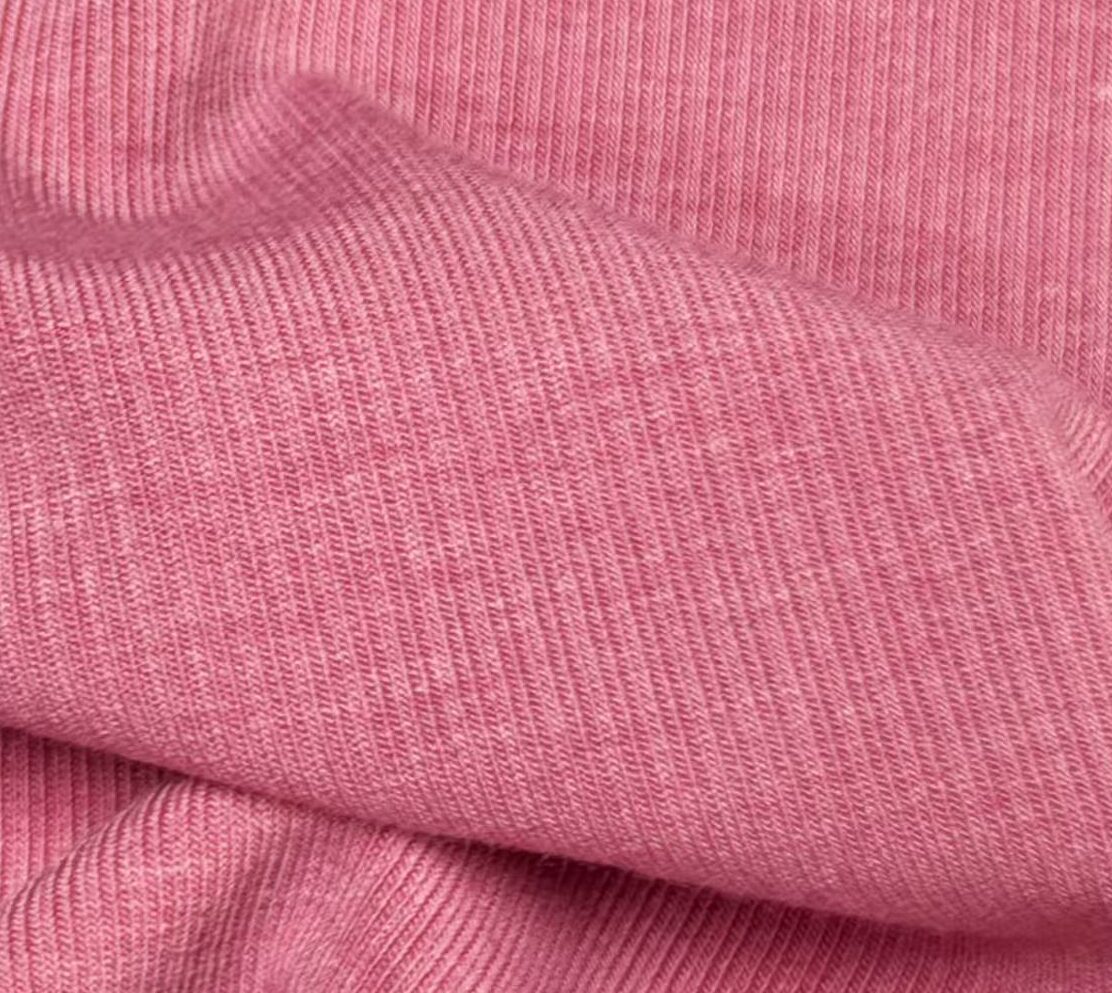
Rib knit fabric is a type of knitted fabric made using alternating knit and purl stitches. This unique structure creates vertical ribs on both sides of the fabric, giving it excellent elasticity and recovery.
Unlike single jersey fabric, rib knit has the same appearance on both sides and offers greater stretch and durability.
Structure of Rib Knit Fabric
Rib knit fabrics are usually classified based on their rib structure, such as:
-
1×1 rib (equal knit and purl stitches)
-
2×2 rib (two knit, two purl)
-
2×1 rib variations
This structure allows the fabric to stretch horizontally, making it ideal for garments that require flexibility and comfort.
Advantages of Rib Knit Fabric
1. Excellent Elasticity
Rib knit fabric stretches easily and returns to its original shape, making it perfect for fitted garments.
2. Soft and Comfortable
It is gentle on the skin, which is important for loungewear and casual wear.
3. Durable Structure
The interlocking loops provide strength and resistance to wear.
4. Good Shape Retention
Rib knit maintains its structure even after repeated washing.
Disadvantages of Rib Knit Fabric
-
Higher cost compared to basic jersey fabrics
-
Can be heavier depending on the structure
-
Requires precise production control
Applications of Rib Knit Fabric
Rib knit fabric is widely used in:
-
T-shirt collars and cuffs
-
Hoodies and sweatshirts
-
Loungewear and homewear
-
Sportswear
-
Baby clothing
Because of its stretchability, it is especially suitable for areas that require flexibility.
How to Choose the Right Rib Knit Fabric
When sourcing rib knit fabric, you should consider:
1. Material Composition
Common options include:
-
Cotton
-
Polyester
-
Cotton-poly blends
-
Rayon blends
2. GSM (Weight)
Choose the right weight depending on the garment type.
3. Stretch and Recovery
Test elasticity and durability.
4. Color Fastness
Ensure the fabric maintains color after washing.
5. Supplier Capability
Work with a reliable manufacturer that offers:
-
Stable quality
-
Consistent production
-
Customization support
Why Work with a Professional Knit Fabric Manufacturer
Choosing the right supplier is critical for your business success.
A professional manufacturer can provide:
-
OEM & ODM services
-
Custom fabric development
-
Bulk production with stable quality
-
Competitive pricing
-
Fast delivery
If you are looking for a reliable rib knit fabric supplier, working directly with an experienced factory in China can help reduce costs and improve efficiency.
Conclusion
Rib knit fabric is a versatile and essential material in modern apparel production. Its elasticity, comfort, and durability make it a preferred choice for many clothing brands.
Whether you are developing loungewear, sportswear, or casual garments, selecting the right rib knit fabric and supplier will directly impact your product quality and market competitiveness.
Get in Touch
Looking for a trusted rib knit fabric manufacturer?
We provide:
-
Custom rib knit fabric solutions
-
OEM/ODM services
-
Bulk production support
👉 Contact us today to get samples and quotations.