
Choosing the right fabric is one of the most important decisions when developing a new clothing collection.
The fabric affects not only the appearance of a garment, but also its comfort, fit, durability, production cost and overall quality.
Whether you are starting a new fashion brand, developing a seasonal collection, or sourcing fabrics for large-scale production, choosing the right textile can help you reduce sourcing risks and create better products.
In this guide, we will explain the key factors you should consider when selecting fabric for your clothing line.
1. Start With the End Product
Before choosing a fabric, first determine what type of garment you are going to make.
Different garments require different fabric characteristics.
For example:
Garment Recommended Fabric Characteristics
T-Shirts Soft, breathable, comfortable
Sportswear Stretch, moisture management, durability
Jackets Structured, durable, wind-resistant
Dresses Soft, lightweight, good drape
Hoodies Warm, comfortable, medium/heavy weight
Casualwear Soft hand feel, easy care, comfortable
Outdoor Wear Lightweight, functional, durable
The same fabric may work well for one garment but not for another.
Always choose the fabric based on the final application.
2. Understand Fabric Composition
Fabric composition has a major impact on performance and hand feel.
Common textile fibers include:
Cotton
Cotton is widely used because it is soft, comfortable and breathable.
It is commonly used for:
T-shirts
Casualwear
Shirts
Children’s clothing
Everyday garments
Polyester
Polyester is known for its durability, dimensional stability and easy-care properties.
It is commonly used in:
Sportswear
Outdoor clothing
Performance garments
Uniforms
Fashion fabrics
Nylon
Nylon offers good strength, abrasion resistance and a smooth hand feel.
It is often used for:
Sportswear
Outdoor clothing
Lightweight garments
Performance apparel
Tencel™
Tencel™ fibers are known for their soft hand feel and comfortable wearing experience.
They are often considered for premium and sustainability-focused collections.
Spandex / Elastane
Spandex is commonly blended with other fibers to provide stretch and recovery.
For example:
Nylon + Spandex
or
Polyester + Spandex
can be suitable for garments that require flexibility and movement.
3. Woven Fabric vs. Knitted Fabric
One of the first decisions you may need to make is whether your garment requires woven fabric or knitted fabric.
Woven Fabric
Woven fabrics are made by interlacing yarns in different directions.
They generally offer good structure and dimensional stability.
Common applications include:
Shirts
Jackets
Trousers
Dresses
Workwear
Outerwear
Knitted Fabric
Knitted fabrics are created by forming loops of yarn.
They are often known for their softness, comfort and flexibility.
Common applications include:
T-shirts
Sweatshirts
Sportswear
Casualwear
Stretch garments
The right choice depends on your garment design and performance requirements.
4. Pay Attention to Fabric Weight
Fabric weight is another important factor when sourcing textiles.
It can influence:
Garment thickness
Warmth
Drape
Structure
Comfort
Production cost
A lightweight fabric may be suitable for summer clothing, while a heavier fabric may be more appropriate for jackets or winter garments.
However, heavier does not always mean better.
The ideal weight depends on the garment design and target market.
5. Check the Fabric Hand Feel
For many fashion products, hand feel is just as important as appearance.
When evaluating a fabric sample, pay attention to:
Softness
Smoothness
Thickness
Elasticity
Surface texture
Drape
Recovery
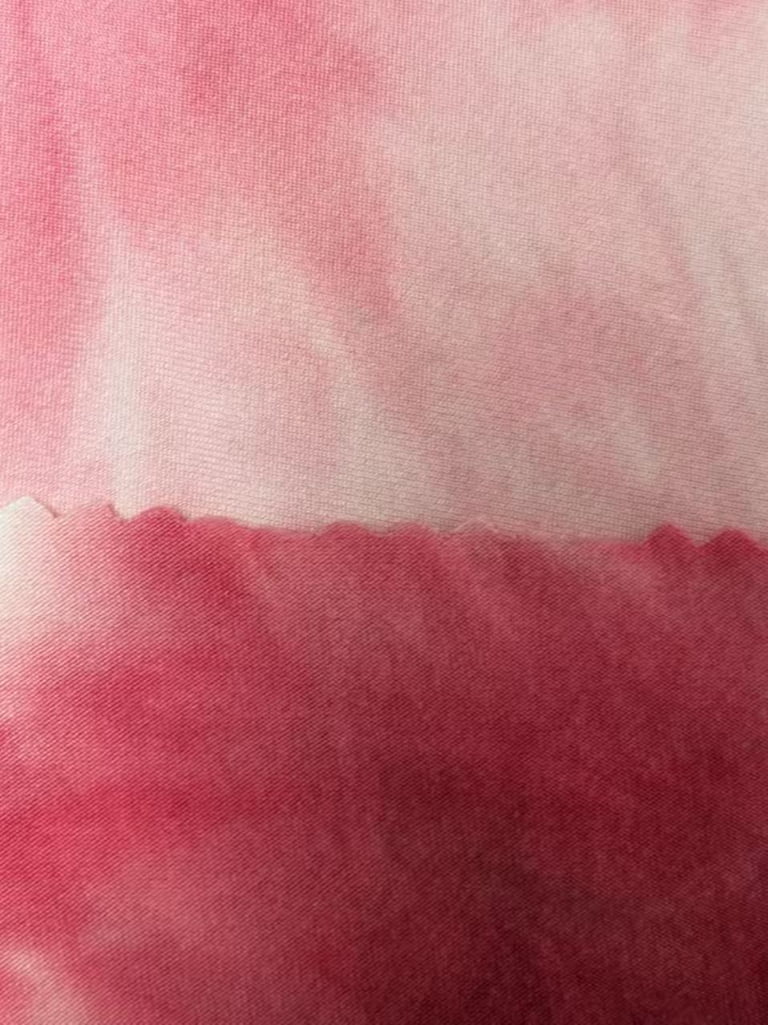
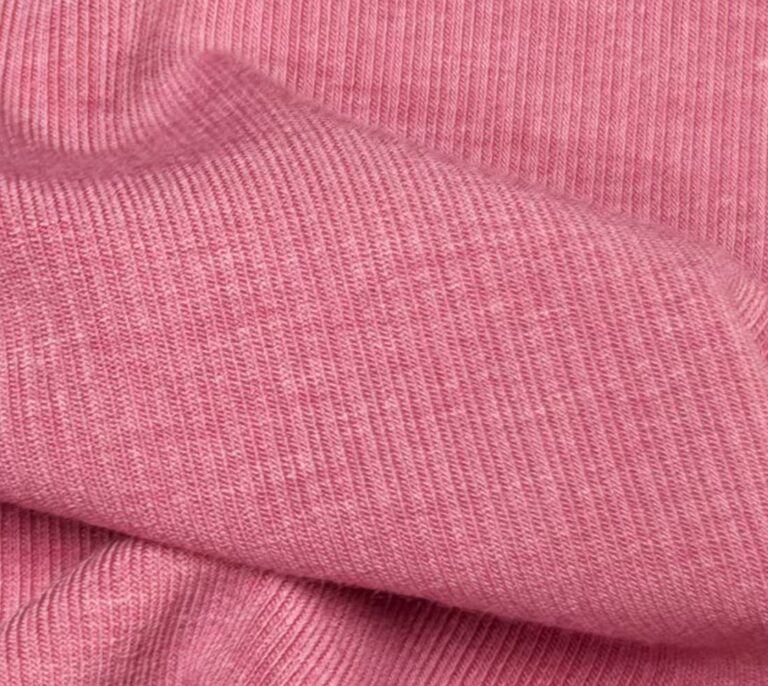
For example, a twill suede knit fabric can combine a distinctive twill texture with a soft surface and comfortable knitted construction, making it an interesting option for fashion and casualwear applications.
Whenever possible, request a physical sample before placing a bulk order.
6. Consider Fabric Performance
For functional clothing, appearance is only one part of the decision.
You may also need to consider:
Stretch & Recovery
Important for sportswear, activewear and fitted garments.
Abrasion Resistance
Important for workwear, outdoor clothing and frequently used garments.
Colorfastness
Important for maintaining consistent appearance after washing and use.
Shrinkage
Important for maintaining garment dimensions after washing.
Pilling Resistance
Important for products where long-term appearance matters.
Depending on your product category, you may also need properties such as:
UV protection
Moisture management
Quick drying
Water resistance
Breathability
Anti-static performance
7. Don’t Ignore Color and Customization
Color can have a significant impact on your collection.
When developing fabrics, brands may require:
Custom colors
Pantone matching
Different finishes
Different fabric weights
Different compositions
Custom patterns
Custom textures
A reliable fabric supplier should be able to communicate clearly about what can and cannot be customized.
For new brands, it is especially useful to confirm customization options before committing to a large order.
8. Consider MOQ and Production Volume
Minimum Order Quantity, or MOQ, is another important factor when selecting a fabric supplier.
Large established brands may require thousands of meters, while new brands may prefer smaller quantities for market testing.
If you are launching a new collection, you may want to ask your supplier:
What is the MOQ?
Can I order sample quantities?
Can you develop custom colors?
How long does sample development take?
What is the bulk production lead time?
Can the same quality be maintained for repeat orders?
A flexible sourcing partner can help reduce the risk of over-ordering.
9. Sample First, Then Scale
One of the biggest mistakes in fabric sourcing is moving directly from a product photo to a large production order.
A better process is:
Fabric Selection
↓
Sample Development
↓
Physical Sample Testing
↓
Garment Sample
↓
Quality Confirmation
↓
Bulk Production
↓
Inspection & Shipment
This process allows you to identify potential problems before committing to a large quantity.
10. Choose the Right Fabric Supplier
The right fabric supplier should provide more than a competitive price.
When evaluating a supplier, consider:
Product Range
Can they provide different fabric types and constructions?
Development Capability
Can they develop fabrics according to your requirements?
Quality Control
Do they have a clear quality inspection process?
Communication
Can they respond quickly and clearly?
Production Capacity
Can they handle your expected order volume?
Delivery
Can they meet your required production schedule?
Customization
Can they support custom colors, specifications and fabric development?
Price is important, but the cheapest fabric is not always the lowest-cost solution.
Poor quality, inconsistent bulk production or delayed delivery can create much higher costs later.
Conclusion
Choosing the right fabric is not simply about finding a material that looks good.
You need to consider the complete picture:
Application → Composition → Construction → Weight → Hand Feel → Performance → MOQ → Quality → Cost → Delivery
A good fabric sourcing process can help your brand:
Reduce sourcing risks
Develop products faster
Improve garment quality
Control production costs
Build more consistent collections
If you are looking for a reliable fabric supplier in China, start with your product requirements rather than simply asking for a price.
Send your fabric photo, technical specifications or garment sample to your supplier. A professional fabric sourcing partner can help you identify suitable fabric options and develop the right solution for your collection.