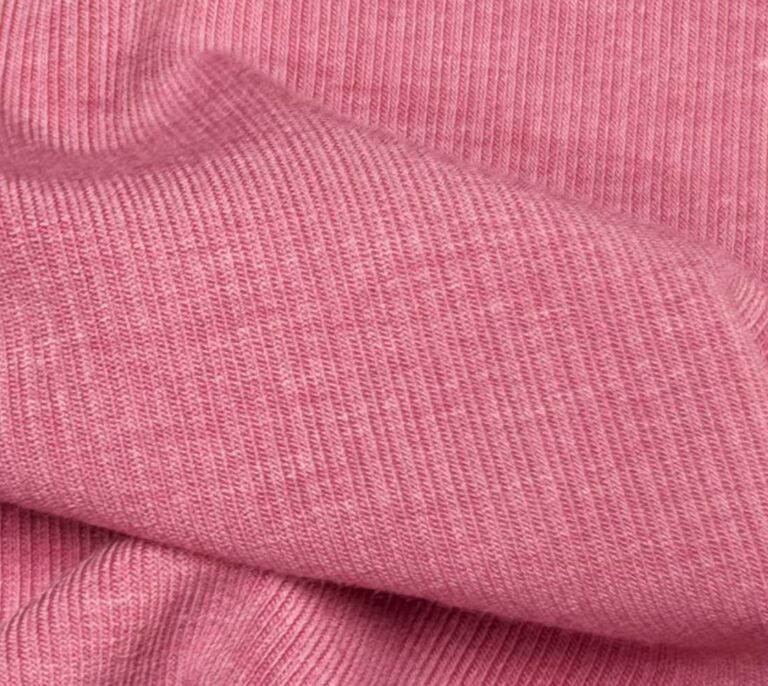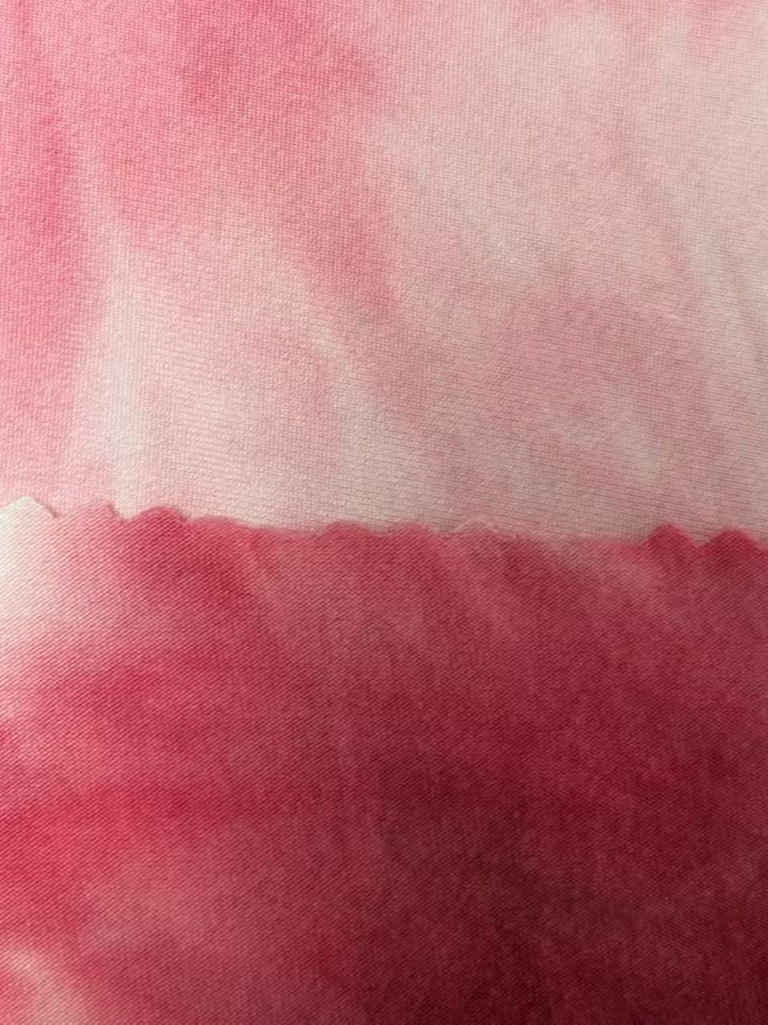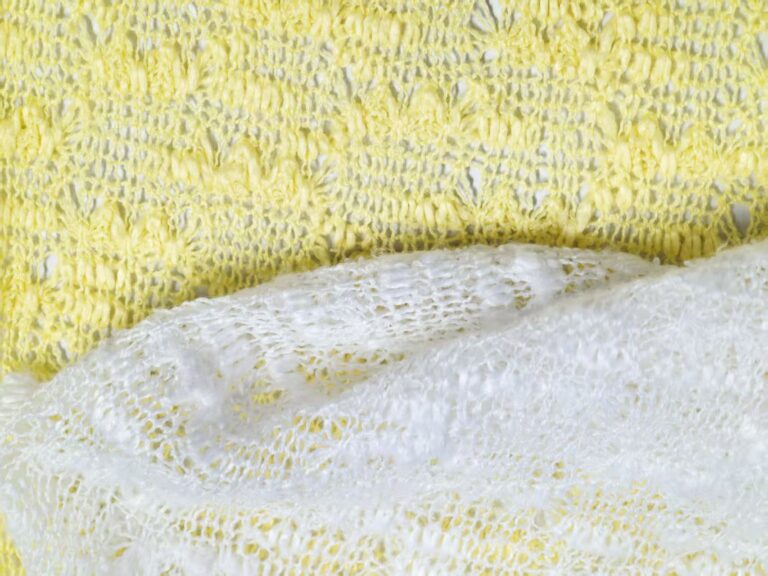

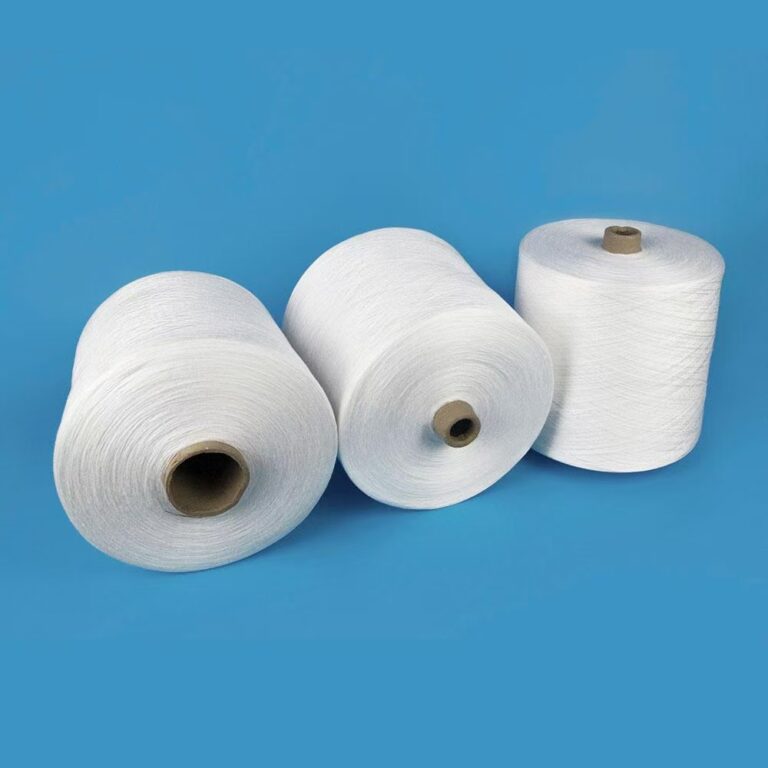
Cotton-like yarn is often considered by apparel and textile buyers who want a soft, cotton-inspired look in a yarn suited to a specific product, process and price target. The phrase describes an appearance or hand-feel direction; it does not identify one fixed fiber composition. The actual performance depends on the fiber, spinning or texturing method, yarn construction, finish and downstream processing. Buyers should confirm the technical specification for each item before sampling or placing an order.
What Does “Cotton-Like Yarn” Mean?
“Cotton-like” or “fake cotton” is a commercial description used for yarns developed to give a more cotton-inspired surface or visual character. Different suppliers may use different raw materials and processes, so the name alone is not enough to determine fiber content, strength, stretch, dyeing behavior or care performance. Always request the composition and construction details for the exact yarn being quoted.
For sourcing teams, the useful question is not only “Does it look like cotton?” but also “Will this yarn run well on our equipment and meet the requirements of the finished fabric?” A sample, technical data sheet and trial on the intended machine can help answer that.
How to Compare Yarn Count: 20s, 32s and 40s
Yarn count describes fineness, but the numbering system matters. In a common indirect cotton-count system such as Ne, a higher count number generally indicates a finer yarn. Suppliers may use different count conventions, however, so confirm the system, tolerance and whether the stated count applies to a single yarn or a plied construction.
- 20s: A coarser-count option to evaluate when a product needs more body or a more substantial yarn character. Check fabric weight, surface appearance and machine settings in a trial.
- 32s: A middle count option that buyers can compare across different luster or stretch constructions. Ask for the exact count system and construction so comparisons are like for like.
- 40s: A finer-count option in common Ne notation. It may suit constructions that call for a finer yarn, subject to the fabric design, end use and processing conditions.
These are starting points for discussion, not a substitute for a specification sheet or a knitting or weaving trial. The finished fabric is also affected by gauge, stitch or weave structure, machine settings, finishing and finishing losses.
Full Dull and Semi Dull: Choosing the Surface Appearance
“Full dull” and “semi dull” describe luster options in many yarn ranges. A full-dull option is generally selected when a more subdued, matte appearance is wanted; a semi-dull option can retain a little more visible luster. The actual appearance varies with fiber type, construction, color, fabric structure, lighting and finishing. Compare physical samples under the lighting in which the finished garment will be evaluated.
When color matching is important, review a dyed sample or a fabric swatch rather than relying only on a yarn cone photograph. Ask whether shade, lot consistency and color fastness requirements can be confirmed for the intended dyeing route.
When to Consider Stretch Cotton-Like Yarn
Stretch versions can be considered when the fabric needs added extensibility or recovery. “Stretch” alone does not specify how much stretch the yarn provides or how it behaves after dyeing, heat setting, washing or repeated wear. Confirm the stretch component and construction, target extension and recovery, recommended processing conditions, and any care or dimensional-stability requirements.
For a reliable evaluation, test the yarn in the actual fabric structure and measure the fabric after the relevant finishing and care steps. This helps avoid choosing from yarn-cone feel alone.
A Practical Buyer Checklist
- State the end product and process: knitting or weaving, machine type, gauge or target fabric construction.
- Confirm the full specification: fiber composition, count system, yarn construction, ply, twist or texturing details, luster, stretch component and tolerances.
- Define fabric targets: weight, width, hand feel, appearance, stretch and recovery, color and finishing route.
- Request a sample and technical data, then run a production-relevant trial before bulk approval.
- Confirm commercial details: package and cone weight, minimum order, available colors, lead time, packing and shipping terms.
- Identify required tests or certifications in advance and confirm whether they apply to the exact material and production lot.
Available Cotton-Like Yarn Options
Our current range includes 40s Full Dull Fake Cotton Yarn, 32s Semi Dull Fake Cotton Yarn, 32s Full Dull Stretch Fake Cotton Yarn and 20s Full Dull Stretch Fake Cotton Yarn. The exact composition, count system, construction, stretch specification, color availability and commercial terms should be confirmed for each item before quotation and sampling.
Send us your target application, required count, sample or technical specification. Our team can check the suitable option and confirm the detailed specification and quotation. Contact our team or browse our yarn range.